Corporate Event Planning vs. Private Party Planning: Key Differences


Understanding the Basics
Planning events can be a complex task, involving a multitude of details and considerations. While both corporate event planning and private party planning share the core objective of organizing a successful event, the approach and requirements can significantly differ. Understanding these differences is crucial for ensuring every event is tailored to its unique audience and purpose.

Purpose and Objectives
One of the primary differences between corporate event planning and private party planning lies in their purpose. Corporate events often serve a business-related goal, such as promoting a brand, launching a product, or fostering employee engagement. These events require a professional atmosphere and are usually aligned with the company’s strategic objectives.
In contrast, private parties are typically organized for personal reasons such as birthdays, weddings, or anniversaries. The focus here is on celebration and personal expression, allowing for more creativity and personalization in themes and activities.
Audience and Attendees
The audience for corporate events usually includes employees, clients, stakeholders, and potential business partners. As such, the tone and content of these events should be professional and engaging, catering to the interests and expectations of a business-oriented crowd.
Private parties, however, are attended by friends, family, and acquaintances. These events tend to have a more relaxed and informal atmosphere, with activities and entertainment designed to create a memorable experience for all attendees.

Budget and Resources
Corporate events often have larger budgets due to the scale and scope of the event. This allows for the use of advanced technology, professional services, and high-quality venues. The financial investment is seen as a strategic move for future business gains.
Private parties may operate on a more limited budget, focusing on personal touches and meaningful details rather than grandiosity. However, creativity can play a crucial role in making these events equally impressive and enjoyable.
Venue and Logistics
Choosing a venue for a corporate event requires careful consideration of the event’s goals, the number of attendees, and the technological requirements. Accessibility and facilities are key factors, along with the venue’s ability to uphold the company’s image.
For private parties, the venue choice is often more flexible, ranging from a family home to a rented hall. The logistics are centered around comfort and convenience for the guests, with a focus on creating a welcoming and festive environment.
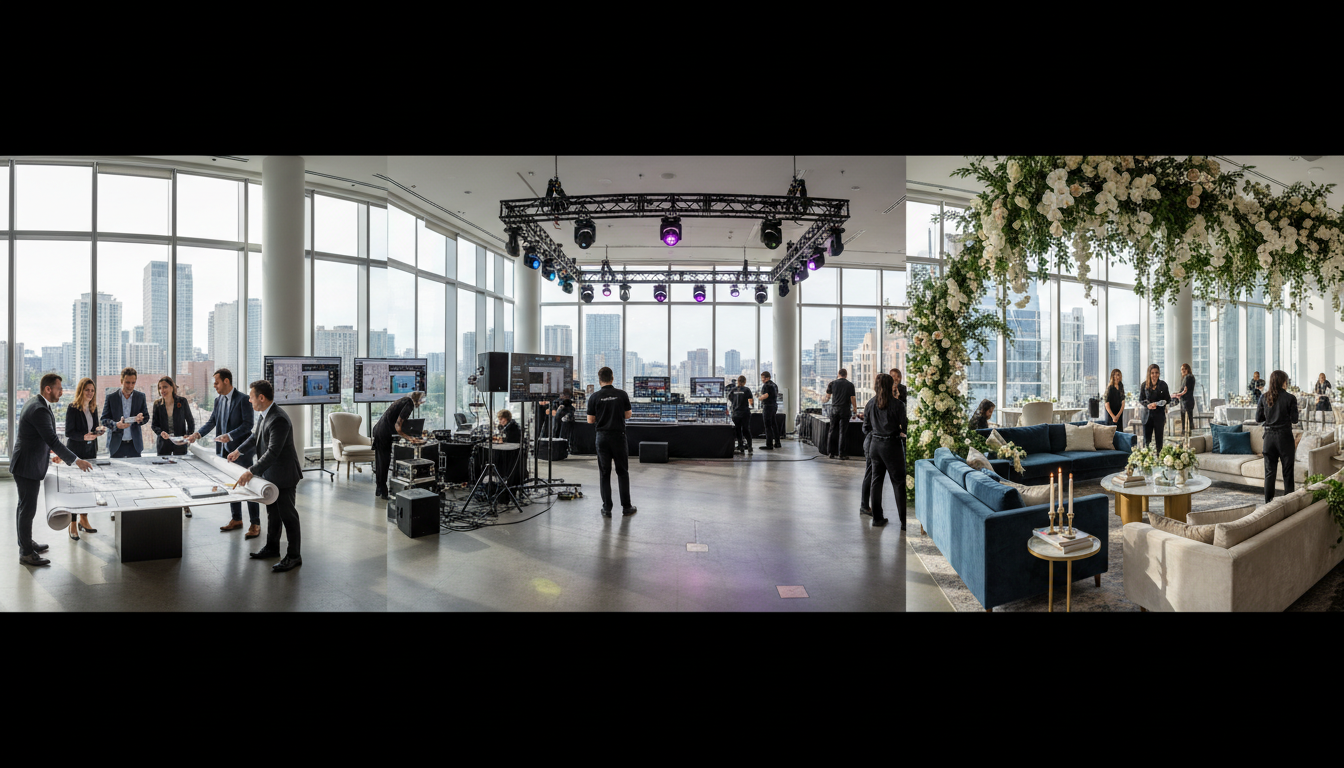
Planning and Coordination
The planning process for corporate events is often more structured and formalized, involving multiple stakeholders and detailed timelines. Professional event planners may be hired to ensure that every aspect aligns with the company’s objectives and brand image.
In contrast, private party planning can be more casual, often managed by the host or with the help of friends and family. While professional planners can still be involved, the process tends to be more personal and flexible.
Entertainment and Activities
Corporate events often feature speakers, presentations, and networking opportunities that align with the event’s business objectives. Entertainment, if included, is typically sophisticated and professional.
Private parties, however, offer a wide range of entertainment options, from live bands to themed activities, allowing for a fun and engaging atmosphere tailored to the personal tastes of the host and guests.
Measuring Success
Success in corporate event planning is often measured by metrics such as attendee engagement, return on investment, and achievement of specific business goals. Feedback and data analysis play a critical role in evaluating the event’s impact.
For private parties, success is often gauged by the enjoyment and satisfaction of the guests, as well as the creation of lasting memories. Personal feedback and the overall atmosphere are key indicators of a successful event.