Seasonal Event Planning: How to Coordinate Perfect Events All Year Round


Understanding the Basics of Seasonal Event Planning
Seasonal event planning is an art that requires a keen eye for detail, a knack for timing, and an understanding of your audience's expectations. Whether you're organizing a winter wonderland gala or a summer beach party, the key to success lies in meticulous planning and creativity. Recognizing the unique characteristics of each season can help you tailor your events to fit perfectly within their respective timeframes.
One of the first steps in seasonal event planning is to identify the seasonal themes and traditions that resonate with your target audience. This involves researching popular trends and incorporating them into your event concept. By aligning your event with the seasonal mood, you create a more engaging and memorable experience for your attendees.
Creating a Comprehensive Timeline
Timing is everything in event planning, especially when it comes to seasonal events. Creating a comprehensive timeline ensures that every aspect of the event is executed smoothly. Start by setting clear objectives and establishing a schedule that outlines all the tasks that need to be completed before, during, and after the event.
Consider using project management tools to keep track of deadlines and responsibilities. These tools can help you manage your team's workload and ensure that everyone is on the same page. A well-organized timeline allows you to anticipate potential challenges and address them proactively.

Selecting the Perfect Venue
The venue you choose plays a crucial role in the success of your seasonal event. Factors such as location, capacity, and amenities should align with the theme and purpose of your event. For instance, a cozy, indoor venue might be ideal for a winter event, while an outdoor garden setting could be perfect for a spring celebration.
When selecting a venue, also consider its accessibility and convenience for your guests. Make sure it is equipped to handle any specific requirements you may have, such as audio-visual equipment or catering facilities. Booking your venue well in advance is essential, as popular spots tend to fill up quickly during peak seasons.
Incorporating Seasonal Decor and Activities
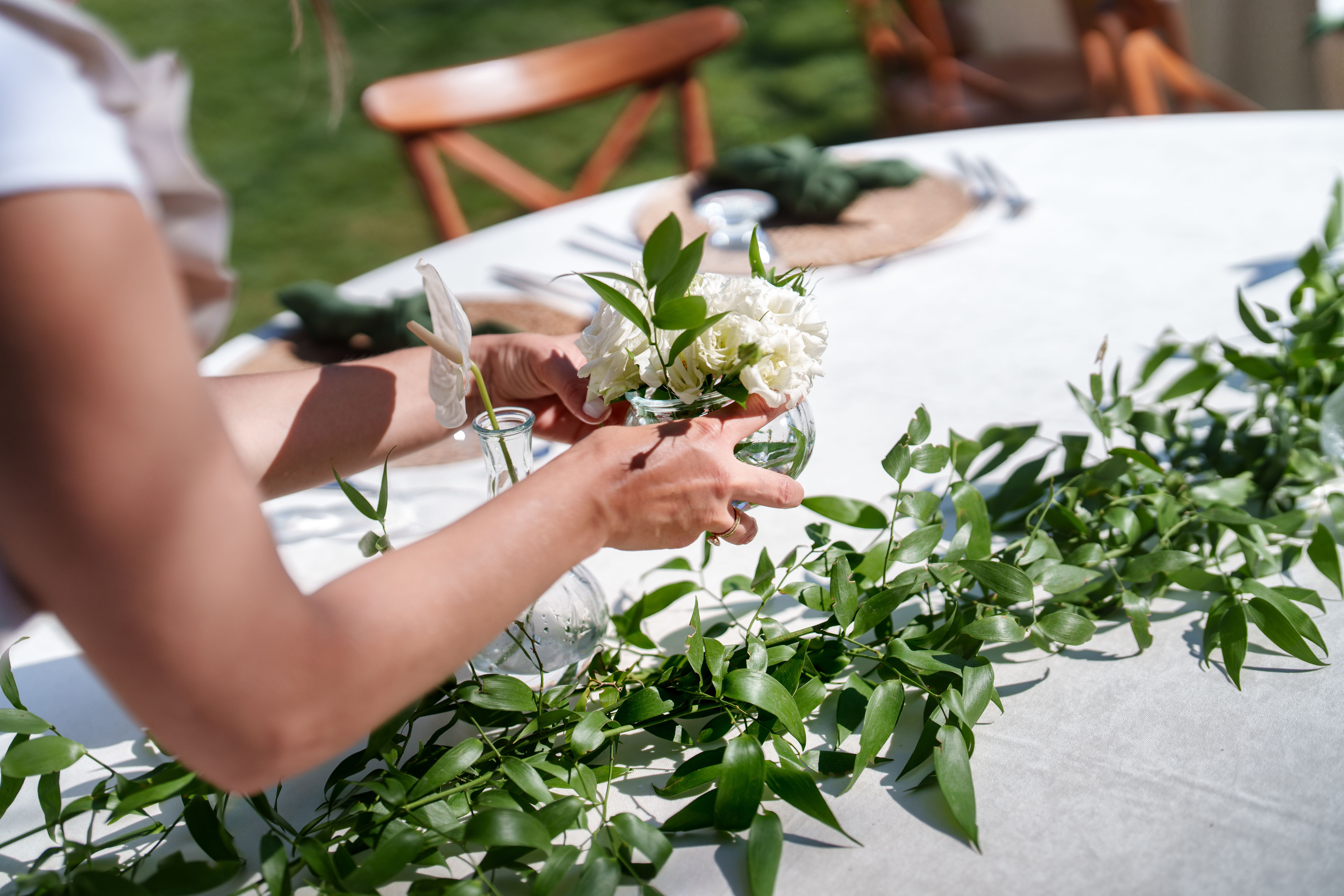
The decor and activities you choose are vital in setting the tone of your event. Integrating seasonal elements into your decor can enhance the overall atmosphere and leave a lasting impression on your guests. For example, you might use autumn leaves and pumpkins for a fall event or incorporate bright, floral arrangements for a spring gathering.
Activities should also reflect the season and engage your attendees. Consider organizing themed games, workshops, or entertainment that aligns with the seasonal theme. This not only adds to the enjoyment but also encourages interaction among guests.

Planning for Seasonal Challenges
Every season comes with its own set of challenges, and being prepared for them is crucial. Weather conditions, for instance, can significantly impact outdoor events, so having a backup plan is advisable. Consider renting tents or indoor spaces as alternatives in case of unexpected weather changes.
Additionally, be mindful of the increased demand for services during peak seasons. Booking vendors and services well in advance can prevent last-minute hiccups and ensure you have everything you need for a seamless event.
Promoting Your Seasonal Event
Effective promotion is key to attracting attendees to your seasonal event. Utilize various marketing channels such as social media, email newsletters, and local community boards to spread the word. Highlight the unique aspects of your event and the seasonal experiences guests can expect.
Collaborate with influencers or local businesses to expand your reach and create buzz around your event. Offering early bird tickets or exclusive promotions can also incentivize people to register early.

Evaluating Event Success
After the event, take the time to evaluate its success and gather feedback from attendees. This information is invaluable for improving future events and understanding what resonated with your audience. Consider sending out surveys or hosting follow-up meetings with your team to discuss what went well and what could be improved.
By analyzing these insights, you can refine your strategies and ensure that your next seasonal event is even more successful. Continuous improvement is the hallmark of a skilled event planner, and each event offers an opportunity to learn and grow.