The Rise of Eco-Friendly Event Planning: Trends and Innovations


The Rise of Eco-Friendly Event Planning: Trends and Innovations
As climate change and environmental concerns continue to dominate global discussions, the event planning industry is evolving to meet the demand for sustainability. Event planners are increasingly adopting eco-friendly practices, making events not only memorable but also environmentally responsible.
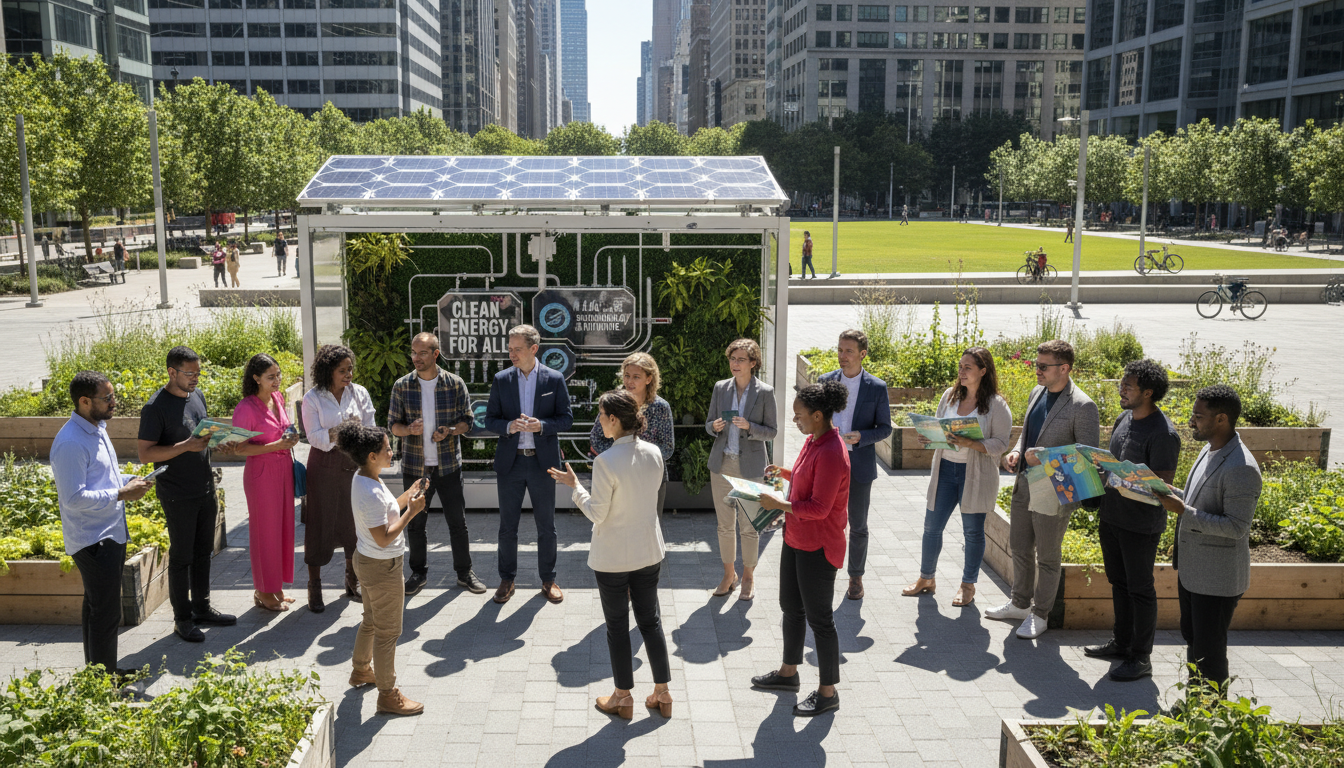
Understanding Eco-Friendly Event Planning
Eco-friendly event planning involves organizing events with minimal environmental impact. This includes reducing waste, conserving energy, and choosing sustainable products and services. The goal is to create events that are not only enjoyable but also sustainable for the planet.
To achieve this, planners are focusing on every aspect of an event, from venue selection to catering and transportation. By prioritizing eco-friendly choices, they are setting new standards for what it means to host a responsible event.
Trends in Sustainable Event Planning
Several trends are driving the rise of eco-friendly events. One of the most significant is the use of digital technology to reduce paper waste. Event apps, digital tickets, and online invitations are replacing traditional paper-based options, significantly cutting down on waste.

Another trend is the emphasis on local sourcing. Planners are opting for local foods and materials to not only support local businesses but also reduce the carbon footprint associated with transportation. This practice is beneficial for both the environment and the community.
Innovations in Green Event Planning
Innovation is at the heart of eco-friendly event planning. From compostable utensils to solar-powered lighting, new products and technologies are making it easier to host sustainable events. Planners are also using data analytics to measure and improve the environmental impact of their events.
Moreover, the rise of virtual and hybrid events has opened up new possibilities for reducing environmental impact. By hosting events online or in a hybrid format, planners can significantly decrease travel emissions while reaching a broader audience.

The Importance of Collaboration
Successful eco-friendly events often rely on collaboration between event planners, vendors, and participants. By working together, they can ensure that sustainable practices are implemented at every stage of the event. This collaborative approach not only enhances the event's sustainability but also fosters a sense of community and shared responsibility.
Attendees are also playing a crucial role by choosing to participate in eco-friendly events and supporting sustainable brands. This shift in consumer behavior is encouraging more planners to embrace green practices.
The Future of Eco-Friendly Events
As awareness and demand for sustainability continue to grow, the future of event planning looks increasingly green. Planners are likely to see more innovations and trends that prioritize the planet. This evolution not only reflects a commitment to the environment but also presents new opportunities for creativity and engagement in the event industry.
In conclusion, the rise of eco-friendly event planning signifies a positive shift towards more sustainable and responsible gatherings. By embracing these trends and innovations, planners can create events that leave a lasting impact on both attendees and the environment.