The Ultimate Guide to Organizing Virtual and Hybrid Events


Introduction to Virtual and Hybrid Events
In recent years, the landscape of events has dramatically shifted. The rise of virtual and hybrid events has opened new doors, allowing organizers to reach a global audience without the constraints of physical locations. Whether you're planning a corporate conference or a casual meetup, understanding how to effectively organize these events is crucial.

Understanding Your Audience
The success of any event begins with a deep understanding of your audience. Identify their needs, preferences, and technological capabilities. This information will guide your decisions on the platform to use, the content to deliver, and how to engage attendees throughout the event.
Audience Segmentation
Segment your audience based on factors like location, interests, and professional background. This allows for tailored content and personalized communication, which can significantly enhance the attendee experience.

Choosing the Right Platform
Selecting the right platform is a critical decision. Consider features like ease of use, interactive capabilities, and integration with other tools. Popular platforms include Zoom, Microsoft Teams, and Hopin. Each offers unique features catering to different types of events.
Technical Considerations
Ensure the platform supports the number of attendees you expect and provides robust technical support. Test the platform extensively before the event to avoid any last-minute glitches.

Crafting Engaging Content
Content is king, even in virtual settings. Develop a program that is interactive and engaging. Incorporate a mix of live sessions, pre-recorded content, and interactive workshops to keep attendees interested.
Interactive Elements
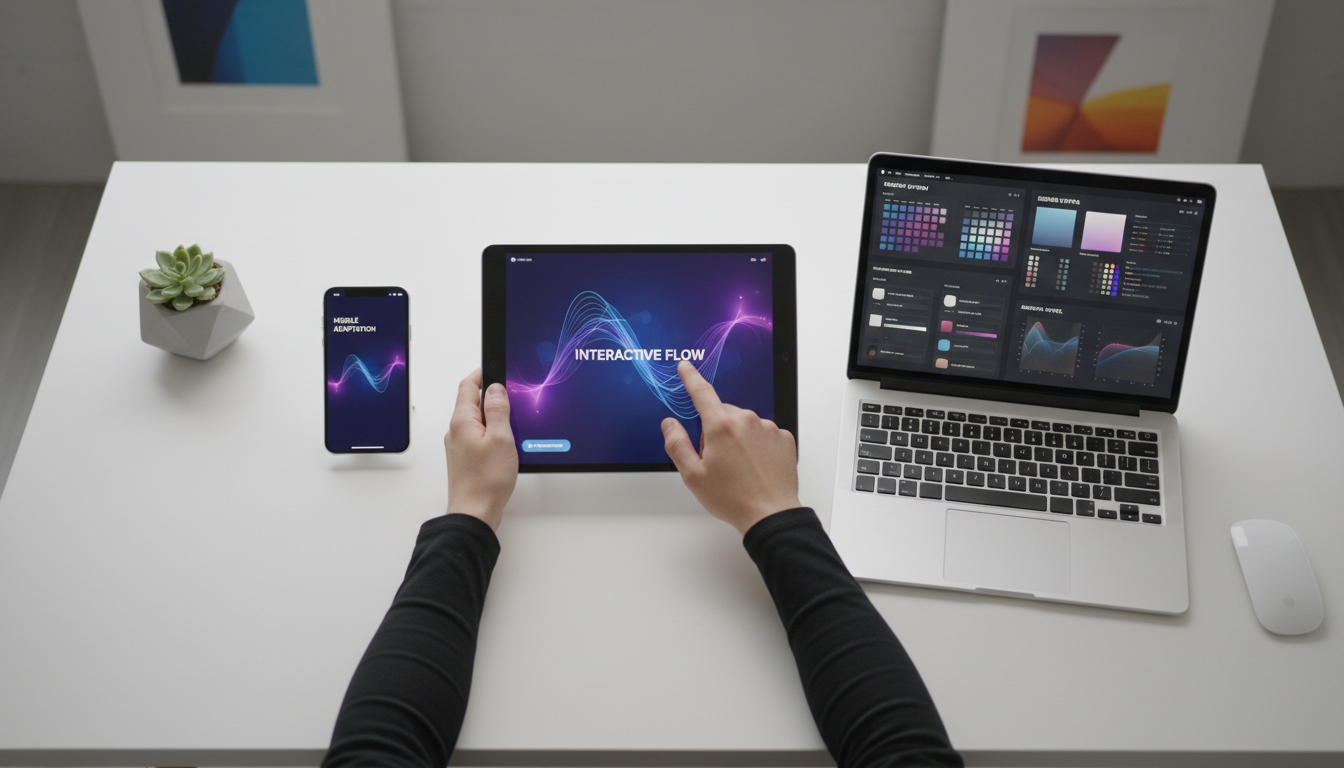
Use polls, Q&A sessions, and breakout rooms to foster interaction. These elements not only engage participants but also provide valuable feedback and insights.
Promoting Your Event
Effective promotion is key to attracting participants. Utilize social media, email marketing, and partnerships with influencers or industry leaders to expand your reach. Start promotion well in advance and maintain regular communication with your audience.
Creating a Buzz
Generate excitement by sharing sneak peeks, testimonials, and behind-the-scenes content. Encourage attendees to share their experiences on social media using a dedicated event hashtag.

Conclusion
Organizing a successful virtual or hybrid event requires careful planning and execution. By understanding your audience, choosing the right platform, crafting engaging content, and promoting effectively, you can create memorable experiences that resonate with attendees worldwide. Embrace the potential of virtual events and transform how you connect with your audience.